Copper
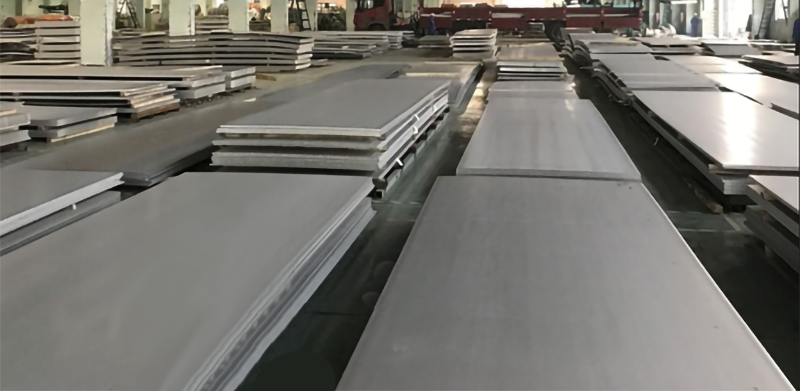
Copper is one of the most versatile and widely used industrial metals due to its excellent physical and chemical properties. Known for its reddish-brown appearance and exceptional electrical conductivity, copper plays a crucial role in industries ranging from electrical and plumbing to architecture and marine engineering. It combines durability, corrosion resistance, and workability, making it ideal for components requiring precision and reliability.
With its superior thermal conductivity and non-sparking nature, copper is also essential in safety-critical environments, refrigeration systems, heat exchangers, and high-performance electronics. Its inherent antimicrobial properties further extend its application into healthcare and hygienic environments.
FEATURES OF Copper
- High Electrical Conductivity: Copper is the most commonly used material for electrical wiring, motor windings, and power distribution due to its superior conductivity.
- Excellent Thermal Conductivity: Ideal for heat sinks, radiators, and heat exchangers where efficient thermal transfer is critical.
- Corrosion Resistance: Copper naturally resists corrosion in most environments, including water and industrial atmospheres, making it suitable for plumbing, roofing, and marine use.
- Ductility & Malleability: It can be drawn into wires or hammered into thin sheets without breaking, making it perfect for forming complex shapes.
Copper Rods & Bars
| Standards: | ASTM B187 / B124 / IS 191 |
| Grades: | C11000 (Electrolytic Tough Pitch), C12200 (Phosphorus Deoxidized), C10100 (Oxygen-Free) |
| Shapes: | Round, Square, Hex, Flat |
Copper Tubes & Pipes
| Standards: | ASTM B42 / B88 / B280 / IS 2501 |
| Grades: | C12200 (DHP), C10200 (OFHC) |
| Sizes: | OD 3 mm to 150 mm, thickness 0.5 mm to 10 mm |
Copper Coils & Strips
| Standards: | ASTM B152 / B506 |
| Grades: | C11000, C10200 |
| Width Range: | Up to 600 mm |
Copper Sheet Plates and Coils
| Standards: | AASTM / ASME SB 62 |
| Grades: | UNS C12200, C11000 |
| Thickness Range: | 0.3 mm to 50 mm |
| Width Range: | Up to 1250 mm |
SVJB POPULAR Industries
Our Industries

Chemical

Oil & Gas

Fertilizer

Petrochemical
Get an Instant Quote Right Now
Try it risk free - We don’t charge cancellation fees
